
The 3rd Annual HMNCC GI Oncology Summit
About this Event
6670 Bertner Avenue
https://learn.houstonmethodist.org/hematology-oncology/GI-ONC-2026In-Person and Virtual attendance options are available.
Presented by the Houston Methodist Dr. Mary and Ron Neal Cancer Center
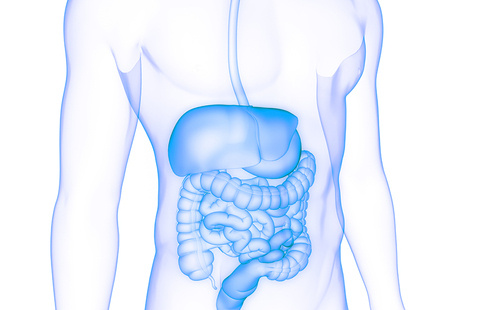
This Summit will delve into the latest developments in managing gastrointestinal cancers. It will feature expert presentations on advancements in immunotherapy, molecular diagnostics, targeted therapies and new surgical techniques, . Participants will also explore key trends in transplant oncology and the role of precision medicine. Each session will offer insights into disease pathogenesis, risk factors, prevention strategies, and innovative treatments, including discussions on minimally invasive procedures, enhanced imaging, and blood-based biomarkers. The symposium will emphasize how these advancements improve patient outcomes and provide a comprehensive review of current and emerging management strategies for various gastrointestinal cancers.
Target Audience
This Summit is designed for physician scientists, practicing oncologists, hepatologists, transplant surgeons, physician assistants, advanced nurse practitioners, oncology nurses, gastroenterologists, residents, fellows, medical students, allied health care professionals, and clinical research associates. Attendees involved in hepatobiliary, pancreatic, neuroendocrine, colorectal, esophageal, and gastric cancer care will find valuable insights for advancing their practice and improving patient care.
Learning Objectives
At the conclusion of this activity, the learner should be able to:
- Describe the epidemiology, risk factors, and prevention strategies for gastrointestinal cancers.
- Review the pathogenesis, surveillance modalities, and underuse of screening for hepatocellular carcinoma (HCC), focusing on blood-based biomarkers and management of pre-liver cancer diseases.
- Evaluate transplant-bridging approaches and the role of immunotherapy in both resectable and advanced hepatocellular carcinoma, as well as new developments in treating advanced cholangiocarcinoma.
- Assess updates on operative strategies for early-stage hepatobiliary cancers and transplant oncology for hilar and intrahepatic cholangiocarcinoma.
- Explain the latest advancements in molecular diagnostics, operative and perioperative approaches, and targeted therapies for pancreatic adenocarcinoma, low-/intermediate-grade neuroendocrine carcinoma, and colorectal cancers.
- Discuss advancements in multidisciplinary approaches for managing esophageal and gastric cancers, as well as the role of precision medicine in unresectable gastrointestinal malignancies